Blog
Selection & Service · Airborne and air assault
Airborne vs Air Assault, and Where the Dutch 11th Air Mobile Brigade Fits
Airborne means you arrive under a parachute, and air assault means you arrive in a helicopter. That is the honest one-line answer, but it leaves out the part that confuses almost everyone, which is that the American air assault division still carries Airborne in its name, and that the Dutch brigade I served in has the helicopter as its specialty while everyone who passes its course wears the beret of the paratroopers.
Almost everything you can read about this in English is written from inside the American army, about the 82nd and the 101st, and that makes sense because they are the biggest examples there are. I served with the 11th Air Mobile Brigade in the Netherlands, earned the red beret on its course, had helicopter training from that first course onwards and made thirty parachute jumps over my career. So this is the same question answered from the European side, with the American units in it where they belong.
I never served in the 82nd or the 101st. What I write about them comes from their own published history, and what I write about the Dutch brigade comes from Defence’s own pages and from my years inside it. Where something is only my view, it says so.
01
The short answer, side by side
Both use the air to put infantry on the ground somewhere the other side cannot easily reach, and once they are down both fight as light infantry with what they brought in. The difference is the aircraft, and almost everything else follows from that one choice.
| Airborne | Air assault | |
|---|---|---|
| How you arrive | By parachute, out of a transport aircraft | By helicopter, which lands so you can get off |
| What the aircraft does | Flies over and keeps going | Comes down to the landing zone, and can come back |
| US example | 82nd Airborne Division | 101st Airborne Division (Air Assault) |
| US badge course | Basic Airborne Course, three weeks, five jumps | Air Assault School, ten days |
| In the Dutch brigade | Air drop (para), one of its forms of air manoeuvre | Air assault, which Defence calls its specialty |
The course figures come from the US Army’s own sites. Courses change, so check them there before you plan around them.
Dutch Defence lists five forms of what it calls air manoeuvre for the brigade, and reading them is the quickest way to see that this is not a choice between one or the other.
- Air assault: an offensive operation, for example to form a bridgehead deep in enemy territory, with combat helicopters, transport helicopters and infantry closely involved the whole way through.
- Air attack: the Apache attack helicopters take the lead, and the troops on the ground support them, for instance by pointing out targets.
- Air drop (para): transport aircraft or helicopters drop soldiers or equipment into the area.
- Air landing: transport aircraft land in the area and unload people and equipment.
- Air mobile: helicopters land straight in the area and set people down.
Two of those five are what this article is about, and the difference between the first and the last one on that list is the part most explanations skip. I will come back to it.
02
Airborne: out of the door, under a parachute
Airborne troops come in by transport aircraft and leave it while it is still flying. The aircraft never has to land anywhere near the enemy, so it can carry a lot of people a long way and put them all down in one pass, and that reach is the entire point of the branch.
The price is paid on the ground. You land spread out, without your vehicles and with only what came down with you, and the first job is finding the rest of your own unit before anything else can start. That is why airborne units have the reputation they have, and why the culture that grows around them is stubborn on purpose.
Where the Netherlands comes into it
This is also where my own country walks into the story. On 17 September 1944 the American 101st Airborne jumped into the Netherlands to open Operation Market Garden, the 82nd Airborne dropped around Grave and Nijmegen to take the bridges there, and the British 1st Airborne Division came down for the bridge at Arnhem, which they reached and could not hold. The Dutch brigade is based on the edge of Arnhem today, and Defence itself speaks of an unbreakable bond between the brigade and that city.
The 82nd still uses the word for exactly what it means, and its soldiers are still paratroopers. In the American army you earn your jump wings at the Basic Airborne Course, three weeks split into a ground week, a tower week and a jump week, and it finishes with five jumps from an aircraft, one of them with combat equipment and, as a rule, the last one at night.
In the Netherlands all military parachute training sits at a single school, the Defensie Para School at the Seeligkazerne in Breda, which is part of the commandos and trains the commandos, the marines and the brigade.
In practice, though, a lot of Dutch red berets, green berets and marines make their first jumps across the border, at the Belgian training centre in Schaffen, because Belgium has facilities the Netherlands does not have: a bigger hangar with the drop zone right next to it, so on a good day you can make four jumps there where at home it is two at most. That is where I did my own parachute course. You spend a week on the ground first, and after that you need eight jumps for the brevet, the last three of them in full battle order and the very last one at night.
03
What a static line jump actually is
Most people picture a parachute jump as somebody falling for a long time and then pulling a handle. That is free fall, which is a separate course and a separate world, and it is not how a paratrooper normally goes in.
Static line means the parachute is opened for you. A line runs from your chute to the aircraft, and when you leave the door that line pulls it open. In Dutch it is called automatische opening, AO for short, and that is how the brigade jumps.
You are not reaching for anything. You go out, and it opens.
The static line exists because of numbers. If you want a lot of people on the ground in a short time and close together, you cannot have every one of them deciding for himself when to open, so the line decides it for all of them, and that is how you put a lot of people onto the ground fast.
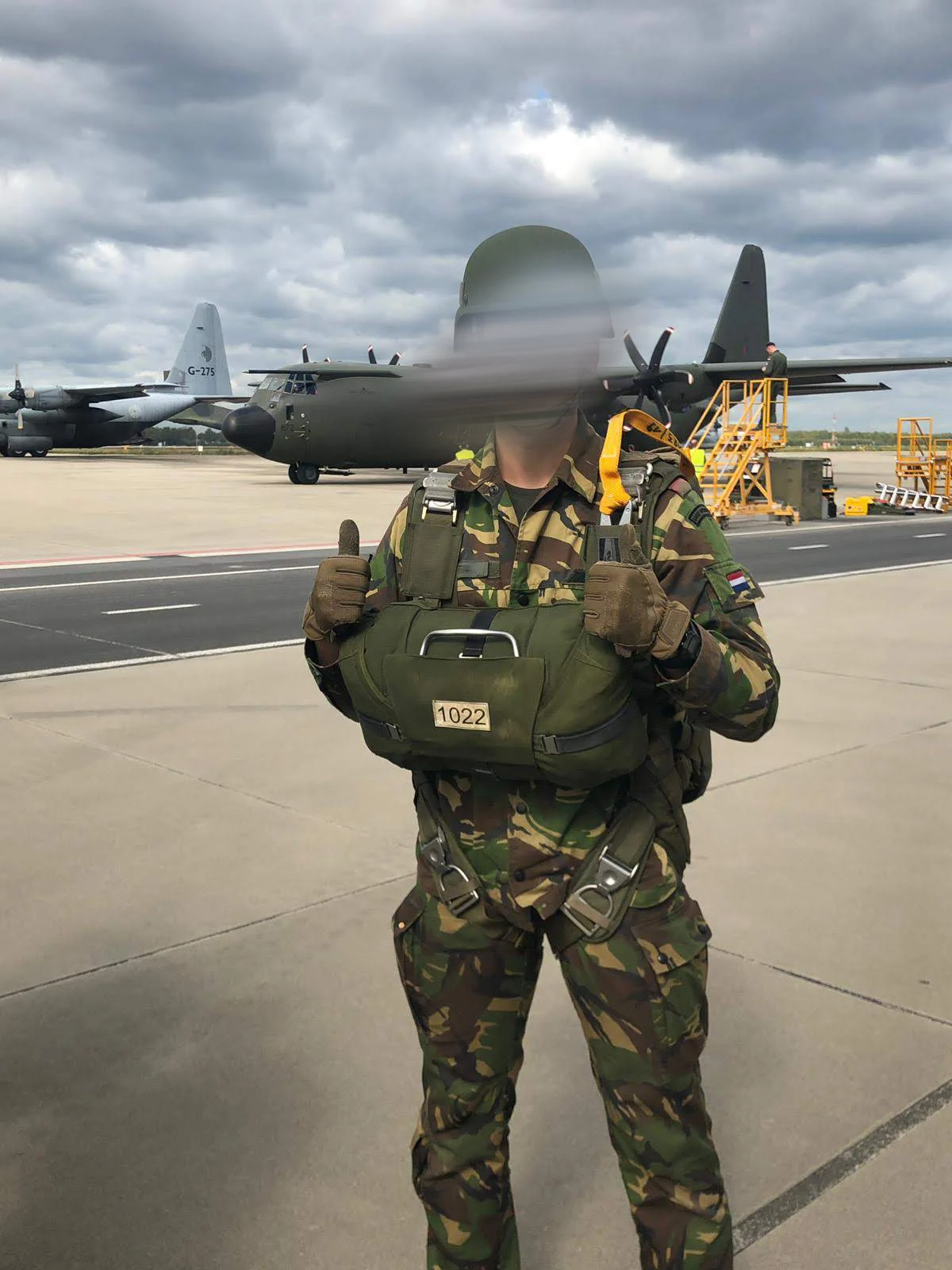
That is me early on, rigged for a static line jump with the main on my back, the reserve on my chest and a Hercules waiting behind me.
Our very first jumps were not out of a Hercules but out of a Skyvan, a much smaller aircraft that you leave by walking out of the back.
I still remember the first time I walked out of the back of that Skyvan. You have to watch that you do not hit your head on the beam the static lines hang from, and then you simply fall, and very quickly you feel your shoulders being pulled up again. From that moment you are hanging under the canopy, which is something really special, and most of all you are busy processing what you just went through. You try to do every procedure perfectly, which is hard when you have never done it for real, and before you know it you are standing on the ground again.
That first jump was very special, and an hour later you were already doing the next one, so it all went fast.
04
Air assault: in by helicopter, and the hardest form there is
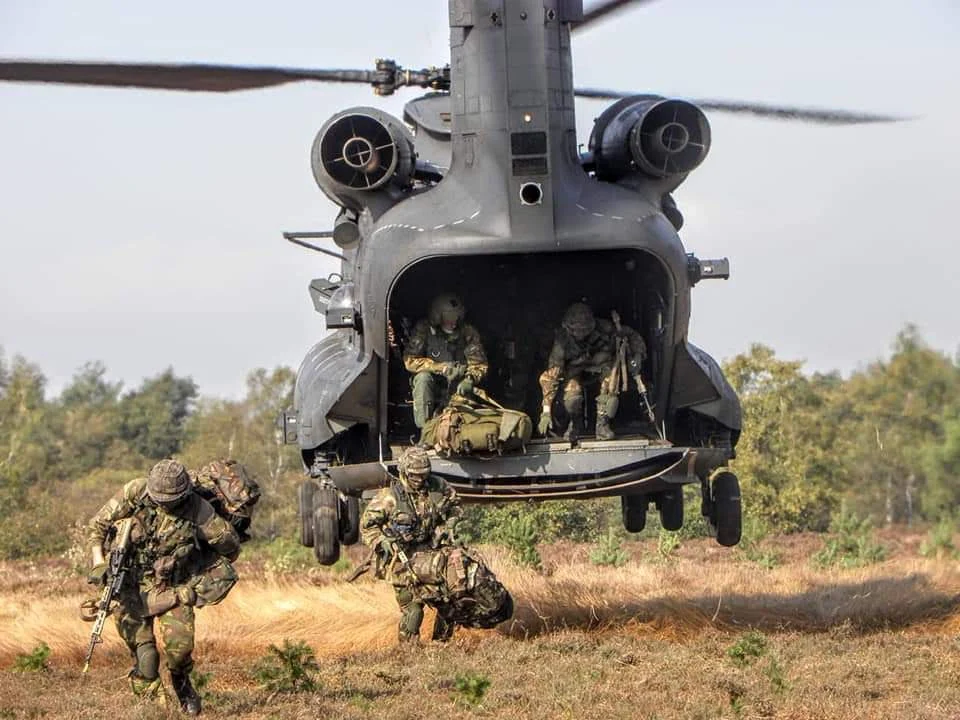
Air assault uses helicopters instead, and the difference is bigger than it sounds. A helicopter puts you down where the plan says, together and with your section around you, and it can come back for you or bring the next group in. The price is that it has to come down to the ground to do it, and an aircraft is never more vulnerable than when it is standing still, so everything about air assault is built around getting off it and away from it as fast as possible.
Here the Dutch definition is sharper than most American explanations. Defence calls air assault the most difficult and most intensive form of air manoeuvre, calls it the specialty of the brigade, and describes combat helicopters, transport helicopters and infantry as continuously and closely involved in the operation. Put that next to air mobile on the same list, where helicopters land in the area and set people down. In air mobile the helicopter is the transport, and in air assault it is part of the operation from the first minute to the last, which is the difference most explanations skip.
How the Americans teach it
The US Army teaches it at the Sabalauski Air Assault School at Fort Campbell, Kentucky, a ten-day course built around combat assaults, sling loads and rappelling, which opens with a six-mile march and ends with a twelve-mile ruck march on graduation day.
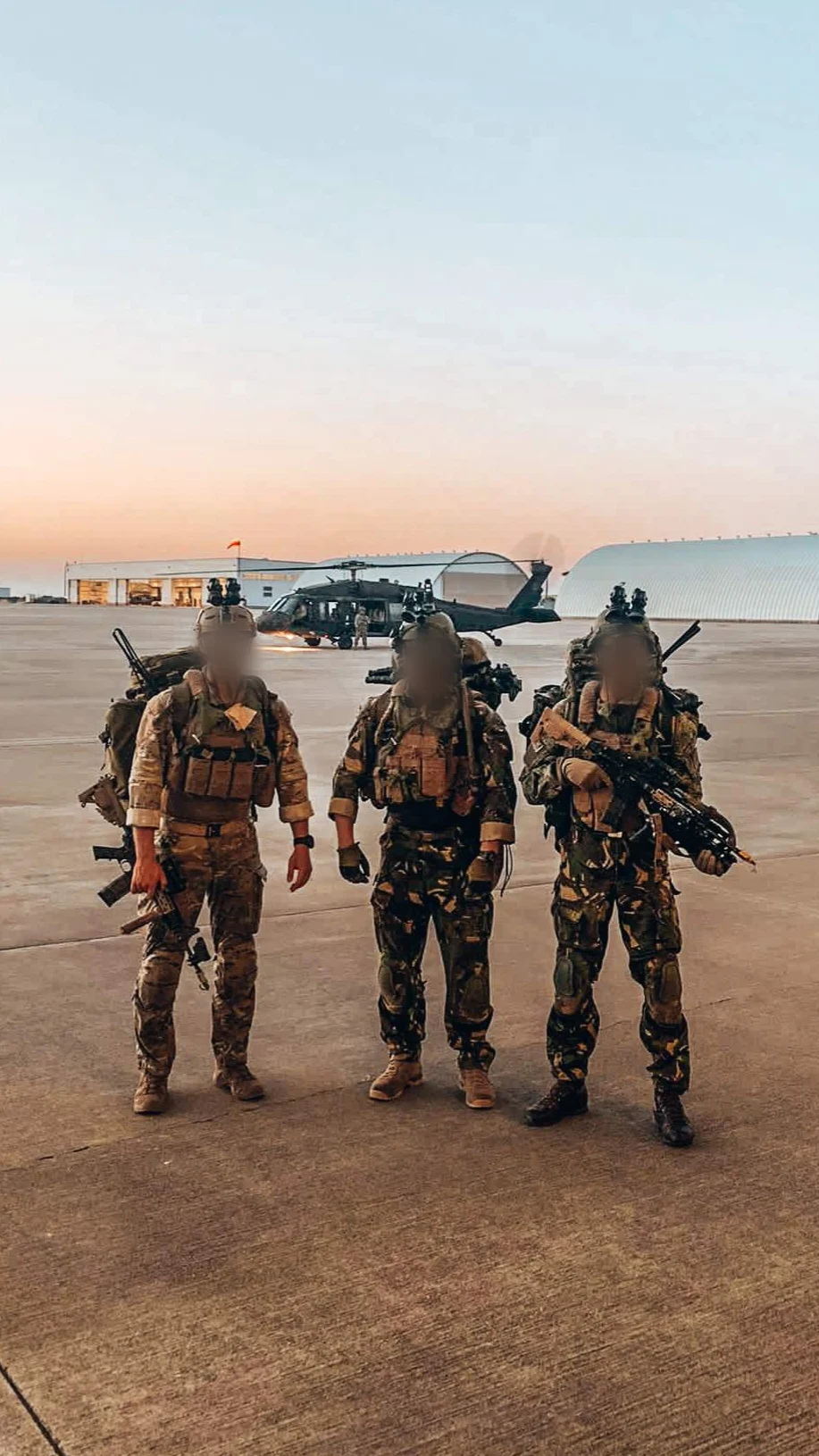
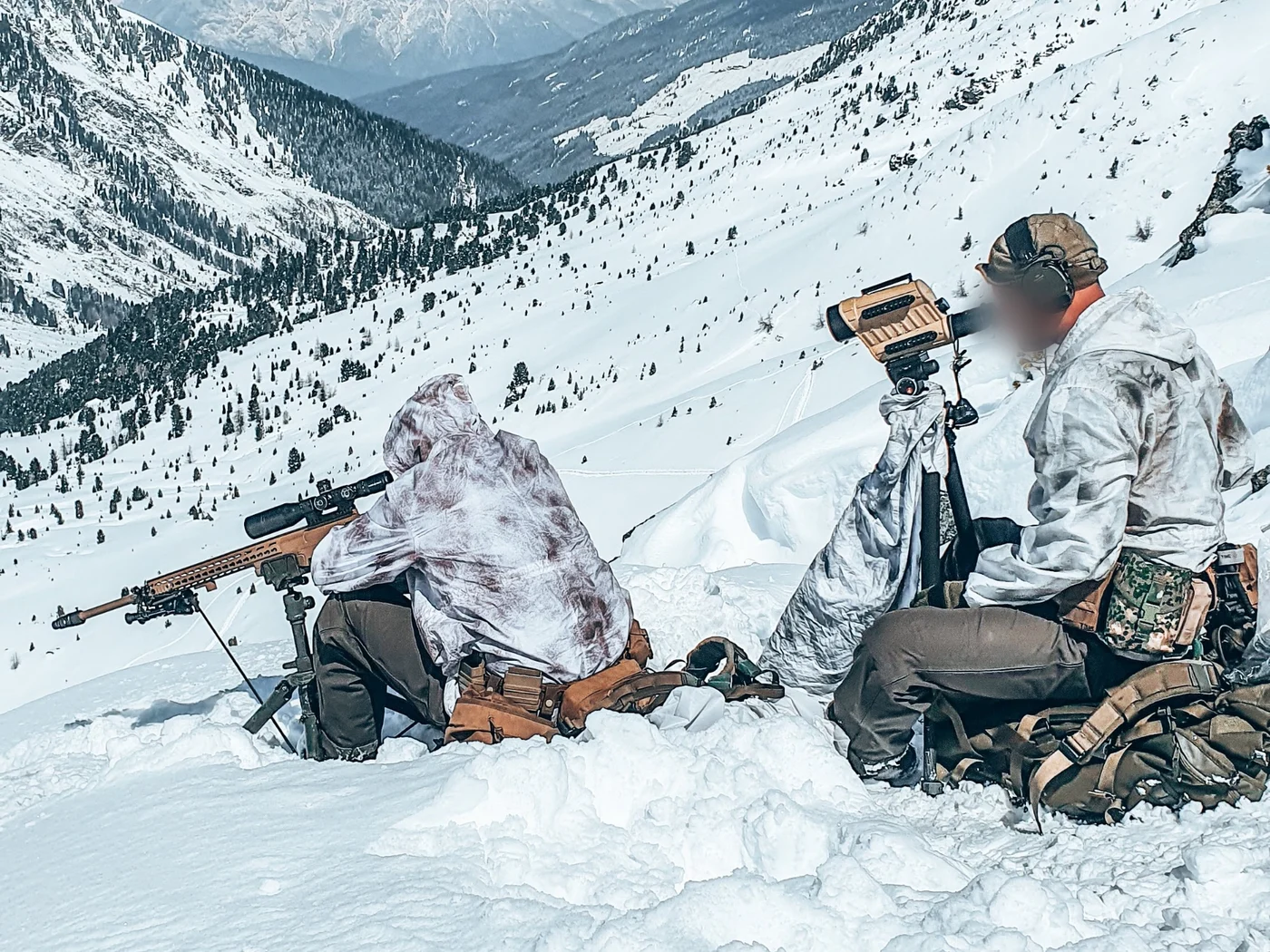
I spent two months in the United States with the snipers, and on one of the raids there we flew in on two Black Hawks, six of us, to put eyes on a village the company was going to attack the next day.
What struck me most is that the Americans simply do everything in bigger numbers, with bigger aircraft and more of everything. We Dutch often work in fairly small groups, while over there everything came in large quantities, and you notice that straight away.
05
Why the 101st is called Airborne and Air Assault at the same time
This is the part that confuses nearly everyone who searches for it, and the answer is history rather than doctrine. The 101st was activated in 1942 as a parachute division and jumped into Normandy and into the Netherlands. In August 1968, in the middle of the war in Vietnam, it traded its parachutes for helicopters, and for about a month it was even called an air cavalry division, until its commander, a paratrooper himself, refused to let a division with that history lose the word Airborne.
The compromise was a pair of brackets. First it became the 101st Airborne Division (Airmobile), and on 4 October 1974 it got the name it still carries, the 101st Airborne Division (Air Assault). Fort Campbell, where it is based, calls it the only air assault division in the world.
Six years after it traded parachutes for helicopters, and with the word Airborne still in front of it.
So when someone tells you the 101st is airborne, he is right about its name and its history, and when someone else tells you it is air assault, he is right about how it fights today. Both are true, which is exactly why the question keeps getting asked.
06
Where the Dutch 11th Air Mobile Brigade fits
The Dutch brigade does the same thing the other way round. Its name says air mobile, its specialty is air assault, and the beret on every head is the beret of the paratroopers.
It was founded in 1992, after the Wall came down and the Netherlands needed a unit it could send quickly, and it took ten years of pioneering before it reached full operational readiness in October 2003, able to run an assault at brigade level together with the air force’s helicopters. Its three infantry battalions are the 11th, 12th and 13th, belonging to the Garde Grenadiers en Jagers, the Regiment Van Heutsz and the Regiment Stoottroepen Prins Bernhard, and since June 2014 the brigade has been part of the German Division Schnelle Kräfte, the Rapid Forces Division, which is led from Stadtallendorf by a combined Dutch and German staff while the Dutch troops stay at home.
When the brigade works together with the Defence Helicopter Command and 336 Squadron of the air force, Defence calls the combination the 11 Air Manoeuvre Brigade. In Dutch the brigade is 11 Luchtmobiele Brigade, and when someone in the Netherlands tells you he was at Luchtmobiel, this is what he means.
So where does it fit? On paper it is an air assault brigade, and Defence says so in as many words. But air drop is on the same list, the parachute school trains the brigade, and I got my static line certificate as an assault pioneer in my first operational year. If you want it in one line, it is an air assault brigade that can also come in by parachute, and it wears the beret that says so.
What we called ourselves is a different matter. We were part of Luchtmobiel, of course, but the word we used most among ourselves was para.
07
The red beret, and the bridge at Arnhem
The red beret, the rode baret, is in Defence’s own words the international recognition sign of paratroopers and air landing troops, and in the Netherlands you only get to wear it once you have finished the airmobile infantry course. For me that course was the AMOL, about six months, and I earned mine at the Oranjekazerne in Schaarsbergen. That whole story is in part one, including the day that put me in my place before it even started.
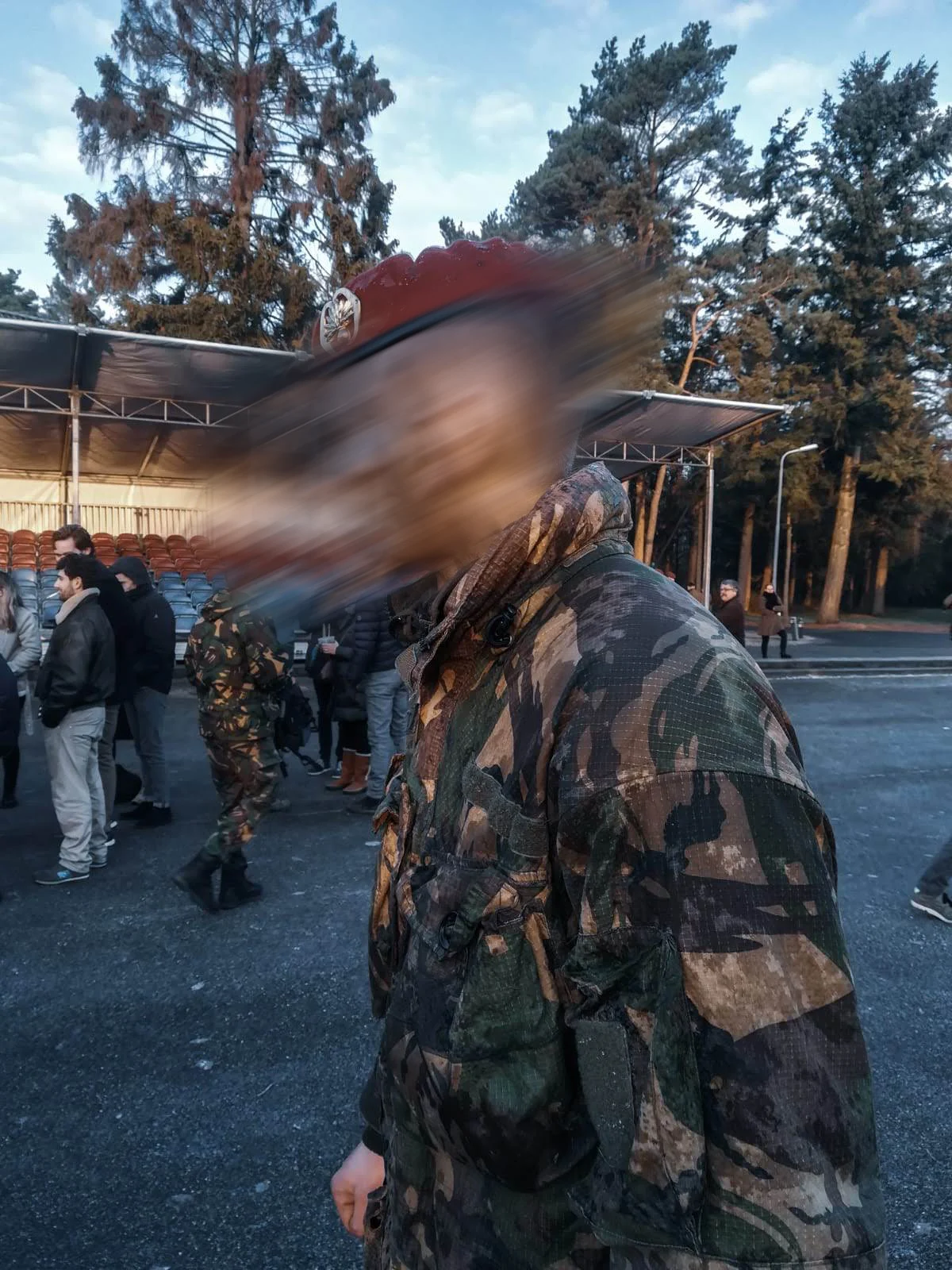
For me the red beret is the proof of my hard work and of the perseverance it took to get there. It really feels as if all the pain and effort I put in simply sits in that beret, which makes it the perfect thing to earn.
It is something very special to own.
The brigade takes its link with 1944 seriously. In September 2025 a new class received the red beret at the John Frost Bridge in Arnhem, in the days when Operation Market Garden is commemorated.
Falcon Leap, the international airborne exercise the red berets train in, grew out of that same yearly commemoration, and in 2025 it brought around a thousand red berets from twelve countries together.
08
Parachute or helicopter: what I took from both
I did not serve in a parachute unit like the 82nd, so I will not pretend that thirty jumps make me an expert on that side of it. What I can tell you is what both looked like from inside one brigade.
I went operational with 11 Alfa as an assault pioneer, got my static line certificate within that first year and made thirty jumps over my career. The best one came much later, out of a C-17 into a two week exercise in the United States, with around eighty kilos on me and both of my rifles in the weapons bag. That jump is in part two, with every kilo listed.
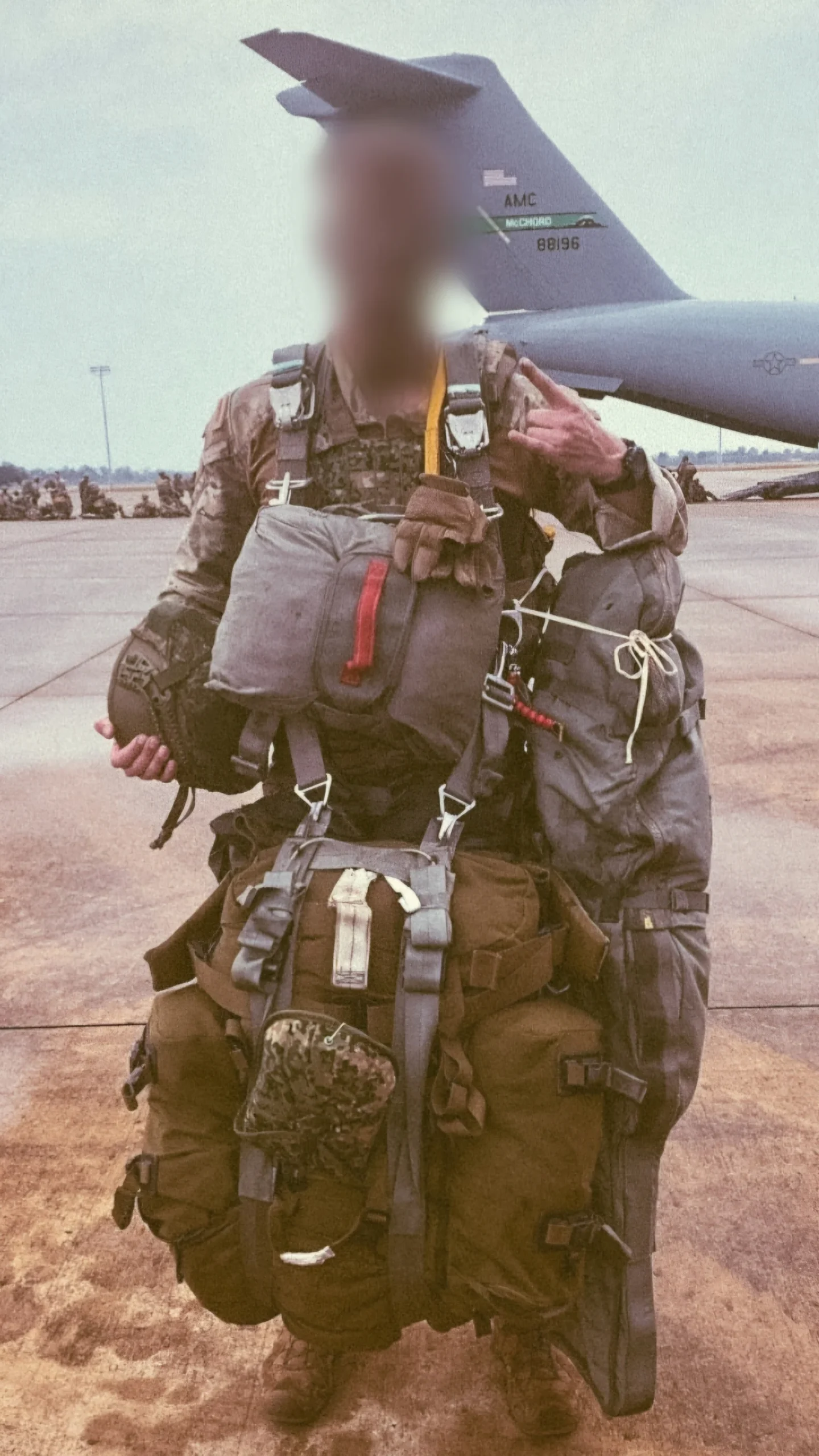
You do not walk in that. You waddle to the aircraft and other people help you up.
I had my sniper rifle, ammunition, optics and extra kit, a lot of food and a lot of water, my normal rifle and my vest, and the list goes on from there.
That jump was the most heavily loaded I have ever been.
The helicopter is a different story. I never jumped out of a Chinook, but I did a lot of insertions with one, and the thump of the rotors is a sound you would recognise anywhere. Then there is the hot air from the engines when you get on and off, with the tension and the adrenaline that come with it, and every one of those insertions with the Chinook was something special.
09
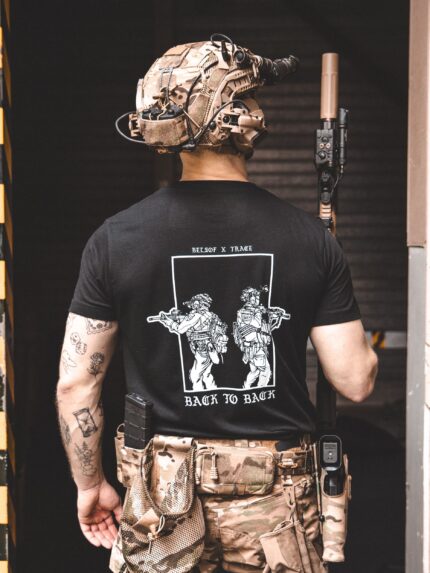
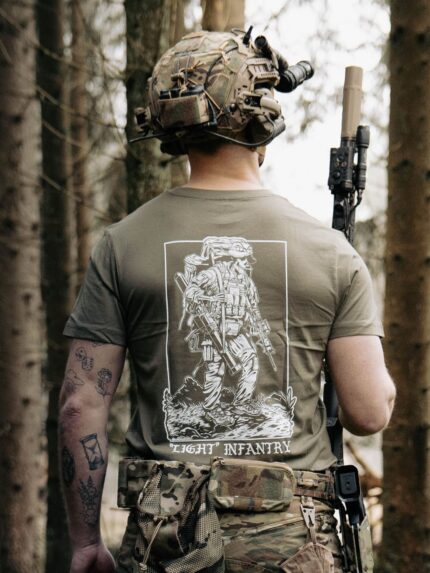
Two designs, because they are two different things
That is also why there are two designs and not one. Airborne carries the jump command itself, Green on, GO, and it is drawn for the second the door opens, because after that there is no version where you change your mind.
Air Assault is drawn for the handful of seconds when the helicopter touches down, the ramp is clear and the noise is still overhead, which is the moment the whole branch is built around.
Neither of them is decoration. One is the trade of the brigade I served in, and the other is the door I learned to jump out of.
The facts about the brigade, the parachute school, the brevet and the forms of air manoeuvre come from Defence’s own published pages and its army magazine, and the American dates and courses from the US Army’s own sites. How I earned the red beret is in part one, and the sniper course and the thirty jumps are in part two.
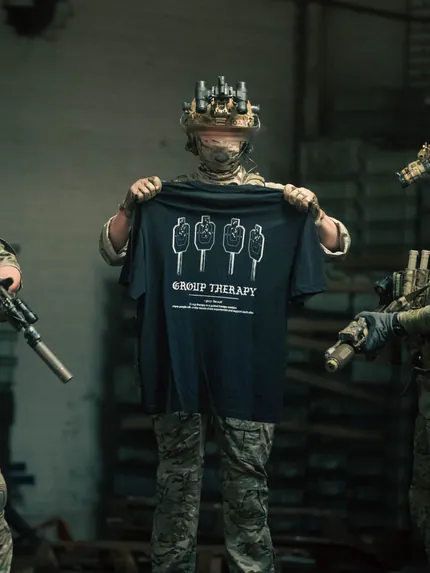
Both designs come as a hoodie, a t-shirt and a flag, in seven colourways.
Browse more military hoodies in The Trace collection.

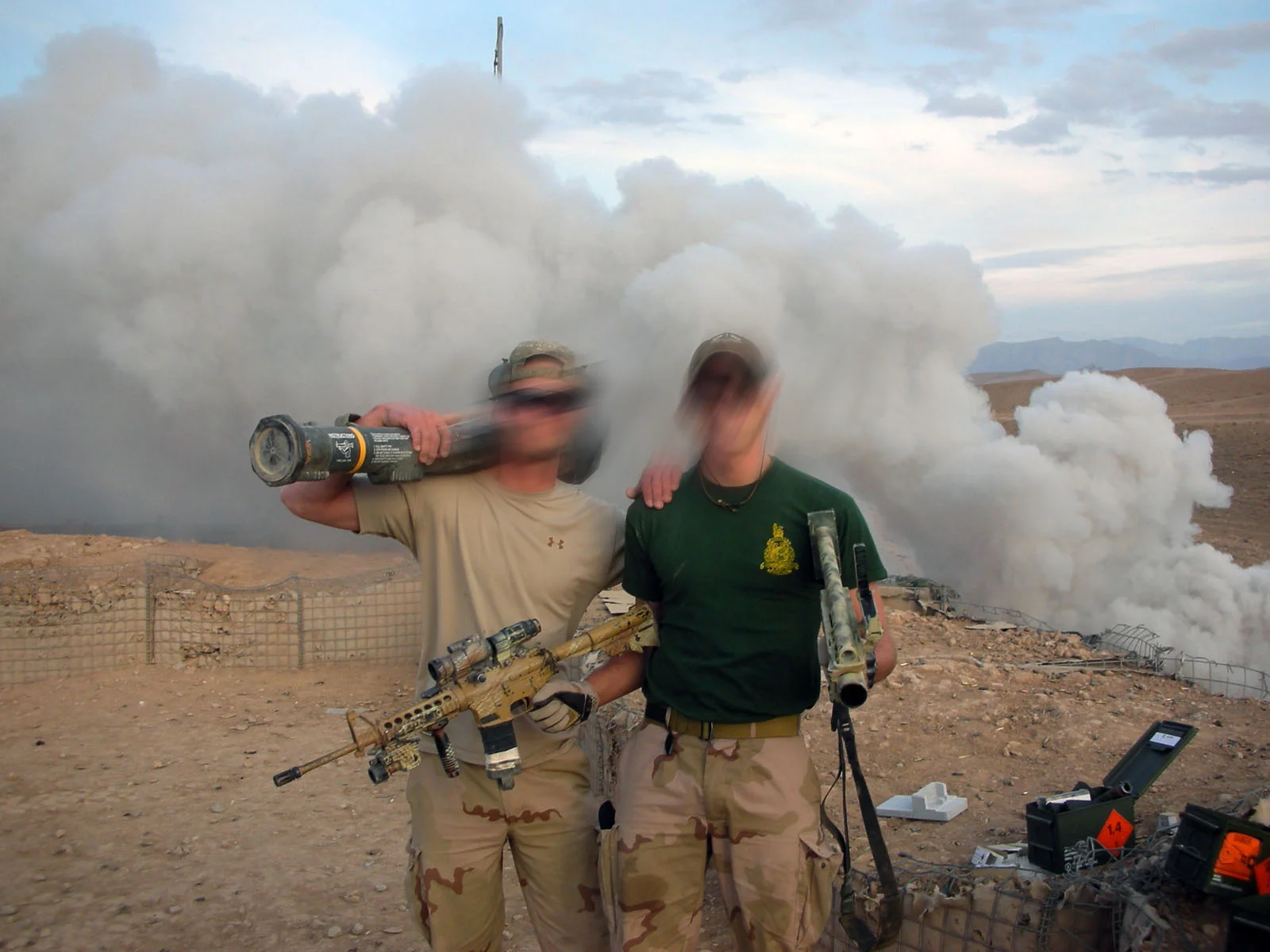


Airborne vs Air Assault, and Where the Dutch 11th Air Mobile Brigade Fits
Becoming a Sniper: The Selection, the Course, and Why I Walked Away
The Rank I Looked Down On Is the One That Built Me
Secure checkout
Every method here works at checkout. 60,000+ customers in 75+ countries.